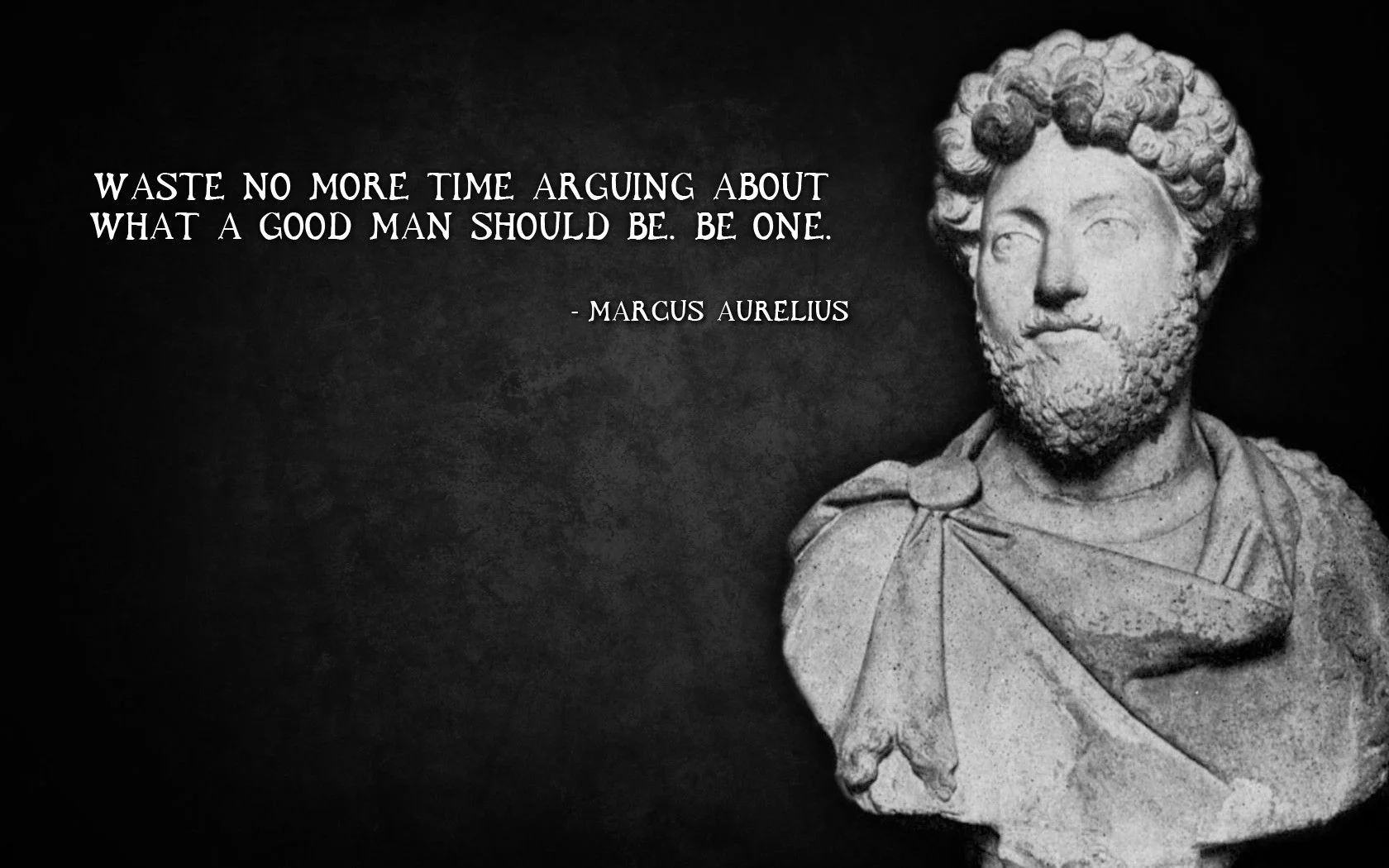
Marcus Aurelius (121–180 CE) was not only the Roman Emperor but also one of the greatest Stoic philosophers in history. At a time when power often corrupted men, Aurelius stood apart. He ruled an empire stretching across continents, commanded armies in brutal wars, and faced personal tragedies — yet he lived with humility, discipline, and deep reflection.
His legacy is not just in the victories of Rome but in his timeless book, Meditations. Written as private notes to himself, Meditations was never meant to be published. And yet, it has become one of the most influential works on philosophy, self-mastery, and the art of living.
The Core of His Philosophy
At the heart of Aurelius’ thinking was Stoicism — the belief that while we cannot control external events, we can control our reactions to them. Life, to him, was unpredictable, harsh, and fleeting. But instead of resisting it, he chose acceptance.
He reminded himself daily:
-
Control is an illusion — you cannot command fortune, only your own actions.
-
Virtue is the highest good — justice, wisdom, courage, and moderation form the compass of life.
-
Memento Mori — remember that you will die, not as a threat but as a guide to live fully and honestly.
-
Adversity is training — hardships are not punishments but opportunities to strengthen the soul.
The Emperor’s Discipline
Imagine ruling Rome — armies at your call, riches at your feet, and citizens worshipping you. For many, such power would ignite greed and tyranny. But Marcus Aurelius treated power as a burden, not a crown.
While leading military campaigns, he slept in tents among soldiers, endured the same cold winters, and wrote his meditations by the dim light of a lantern. His words reveal a man constantly battling his own ego, reminding himself not to be consumed by pride or anger.
He wrote: “Waste no more time arguing about what a good man should be. Be one.”
For him, philosophy was not abstract thought — it was practical armor against arrogance, despair, and chaos.
Lessons for Us Today
Why does Marcus Aurelius matter in the modern world? Because his challenges were not so different from ours. He fought battles, but we fight stress, uncertainty, and distraction. He struggled with ego, just as we do in the age of social media. He faced mortality, just as every human must.
His life teaches us:
-
Detach from outcomes: Focus on effort, not results.
-
Stay humble in success: Power fades, but character remains.
-
Embrace hardship: Every struggle shapes resilience.
-
Live with intention: Death is certain — what you do before it defines you.
Why His Words Endure
Marcus Aurelius never set out to be remembered as a philosopher. His writings were reminders to himself — notes on how to endure pain, how to resist temptation, how to stay kind in a cruel world.
And perhaps that is why they are so powerful: they are not lectures from a teacher, but confessions from a man wrestling with the same struggles we face.
His ideology is a call to courage, clarity, and integrity. In an age where distractions and illusions surround us, Marcus Aurelius challenges us to live simply, wisely, and with dignity.
Closing Thought
Greatness, Marcus Aurelius believed, was not in conquering nations but in conquering the self. His example shows us that even in chaos, one can live with calm; even in power, one can remain humble; and even in the face of death, one can find meaning.
His words are not bound by time — they are a handbook for life itself.